- How To Delete Downloads On A Macbook Pro
- How To Delete Downloads On A Macbook Air
- How To Delete Downloads On A Mac Computer
Mac users often find their Downloads folder filled with disk images that they previously downloaded from the internet, files that – having already installed the apps – they forgot to delete after unmounting the image. As you may already know, installer files for macOS come with a DMG file extension – otherwise known as an Apple Disk Image – and are similar to ISO files.
How To Delete Downloads On A Macbook Pro
Read iSecrets.New magazine about gadgets and mobile technology. How to delete downloads o. How to delete downloaded files on Mac Step 1. Access the very folder that stores your downloaded files! The folder that stores the downloaded files by default can be accessed in two ways, you can use any you find more fitting and convenient. 1) Access the download folder via the Dock.
To install an app – the majority of which just require dragging and dropping – users need to mount this .DMG file just as you might mount a CD when putting it into a CD drive, which makes its contents visible on the Mac. The required software is packed into a special bundle and carries an invisible “.APP” extension.
Download CleanMyMac X from MacPaw’s website and clean up to 500MB of junk data from your computer while enjoying all the features of the software without major limitations.

Users tend to forget about the existence of these disk images after they install the software. The same is true for iOS installer files (IPSW), although using .IPSW to apply an iOS software update is considered to be a more advanced function and therefore more appropriate for tech-savvy users. Even so, it can still happen that even advanced users forget about these storage-hungry installer files.
How To Remove Installer Files
Having one or two installer files in the Downloads folder shouldn't cause any issues unless these files occupy gigabytes of space – Adobe Creative Cloud installer packages, for example. But when you realize that your Mac is running out of free space, this is a good place to check for the remains of installer files to remove them and save space.
Removing these files is as easy as the installation process: select the file and drag it to the Bin. There are cases where the software is more complex, such as Adobe's suite of programs or Mac optimization software OnyX's installer files. If this is the situation, just open the disk image and look for an uninstaller file, or launch the app and find the uninstall options. The uninstall process may differ by app, but in most cases it is hassle-free.
Most Common Issues When Removing Installer Files
The drag and drop removal method, however, may leave some junk data behind since it doesn't remove the supporting files, which, if you frequently install and uninstall apps, may end up eating into your Mac's storage.
Ever since macOS Sierra 10.12, Apple has provided users with the option to trash the installer as soon as its function is finished, a pretty handy feature considering the limited disk space on a MacBook Air.
Fortunately, Mac optimization apps such as CleanMyMac and others include a neat uninstaller utility that helps remove all files associated with the application and its temporary installation files. While this feature won’t remove the installation file, it does find the files associated with specific software after selecting the app(s) that you want removed.
Installer files are easier to remove because they can be considered as .ZIP files. To move the installer to the Trash, however, you should first unmount it, otherwise it will display an error message. After unmounting it, locate the file (usually in the Downloads folder, the default location for files downloaded from the web), and simply press the Command + Backspace keys or drag it into the trash can.
Best Mac Optimization Software of 2021
| Rank | Company | Info | Visit |
| |||
| |||
|
Get the Best Deals on Mac Optimization Software
Stay up to date on the latest tech news and discounts on Mac optimization software with our monthly newsletter.
What are iOS software updates?
iOS software updates are files that you download every time you want to update the software of your iPhone, iPad, or iPod via iTunes. After your device has been updated, you don’t need the file you downloaded, and thus, you can remove it and free up a significant amount of space on your Mac. And in case you need to use such a file again, you can re-download it just like you did it for the first time.
Apple has replaced iTunes with Music, Podcasts, Books, and Apple TV with the release of macOS Catalina. Finder is the new place to back up, update, or restore your devices. But, if your Mac's running macOS Mojave or later, you can still use iTunes. Now, let's see how you can remove old iOS software updates from your Mac.
How to remove old iOS firmware files from Mac manually?
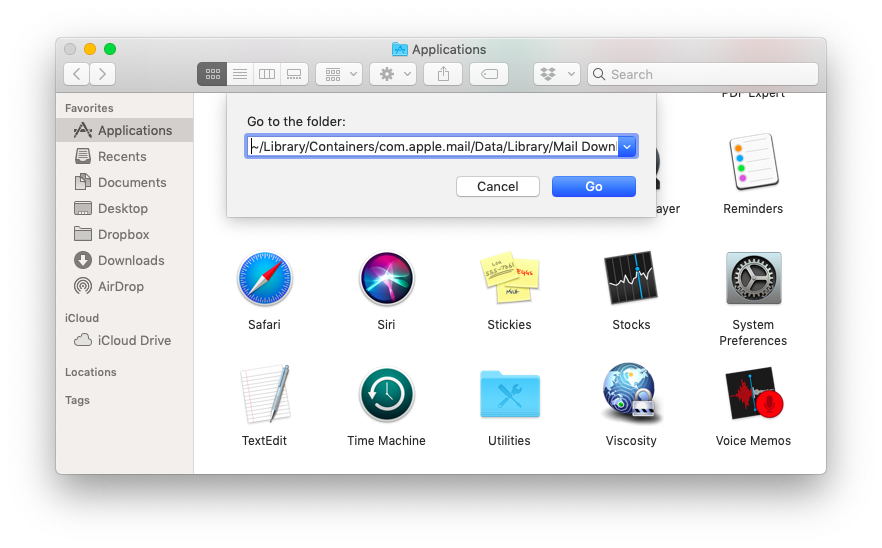
iOS update files can be found at ~/Library/iTunes, where '~' is your Home folder. Notice that software updates differ for different devices. That means that, for instance, the iPad firmware files will be kept at ~/Library/iTunes/iPad Software Updates, while you will find the same files for iPhone in ~/Library/iTunes/iPhone Software Updates.
How to remove old iOS backups?
How To Delete Downloads On A Macbook Air
If you've backed up your device on your Mac, there are probably some old backup files lying around on your hard drive. Here's how to remove them to free up some space:
- Go to Apple menu > About This Mac.
- Select the Storage tab.
- Click Manage.
- In the left-side menu, choose iOS Files.
- Select the backup you want to remove and press Delete.
And it's done!
How to clear your Mac of software updates automatically?
Instead of looking for iOS software updates on your Mac manually and making decisions about what files you want to delete or leave untouched, you can take advantage of CleanMyMac X. Launch it, hit Scan, and then Clean, and the app will clean your Mac from unneeded data cluttering your system, Trashes and iPhoto library (if you have one), including outdated iOS software updates.
How To Delete Downloads On A Mac Computer
Alternatively, you can open the iTunes Junk module of CleanMyMac X, scanning, clicking Review Details, and then only selecting the iOS software updates for cleaning.
The iTunes Junk feature is not available on macOS Catalina 10.15. There’s nothing to clean because the iTunes app has been shut down with the release of macOS 10.15.
Download CleanMyMac X to remove iOS software updates from your Mac!